Education
VVAF works to enable all people get access to necessary information through reach outs, community and university campaigns, radio talks, press releases, online education, and share all necessary information on Human Trafficking education, and access to services in case of exploitation.
Understanding the Value of Education
Education encompasses the process of acquiring knowledge, skills, values, beliefs, and habits. It’s a fundamental aspect of personal growth and societal development, often delivered through formal institutions like schools and universities, but also through informal learning experiences. Exploring educational opportunities can lead to new career paths, personal enrichment, and a deeper understanding of the world around us. This helps the people to make the world a living place.
Two types of Education
- Vocational and Technical Training
- Formal Education
Vocational and Technical Training
Vocational and technical education focuses on practical skills and knowledge for specific trades or occupations. Programs in areas like culinary arts, automotive repair, cosmetology, or welding equip individuals with the hands-on expertise needed for immediate employment. These pathways often involve apprenticeships, certifications, or associate degrees, providing direct routes into skilled professions without necessarily requiring a traditional four-year degree. This also can regard as skill acquisition.
Formal Education
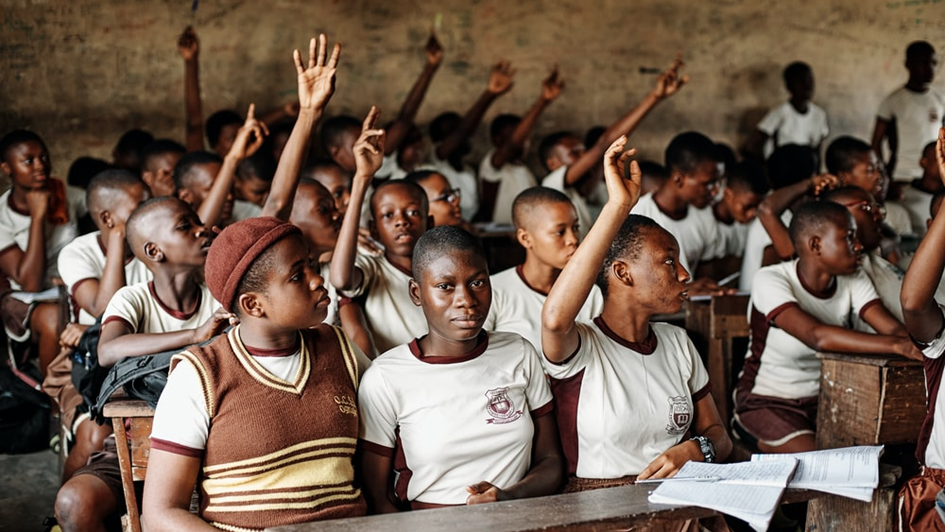
Formal education typically begins with primary and secondary schooling (K-12), providing foundational knowledge in various subjects like math, science, language arts, and social studies. This structure prepares students for higher education, such as college or university, where they can pursue specialized degrees in fields like arts, sciences, engineering, or business. These institutions offer structured curricula and credentialing, often leading to specific career opportunities.
Lifelong Learning and Professional Development
Education doesn’t end after formal schooling; lifelong learning is increasingly important in a rapidly changing world. This includes professional development courses, workshops, online learning platforms, and self-study. Acquiring new skills, staying updated on industry trends, or pursuing personal interests through learning opportunities like MOOCs (Massive Open Online Courses) can enhance career prospects and personal satisfaction throughout one’s life.
Exploring Related Learning Resources
Beyond traditional education, numerous resources support learning and skill development. Libraries offer books and digital resources, museums provide experiential learning, and online platforms like Coursera, edX, or Khan Academy offer courses on virtually any subject. Furthermore, mentorship programs and industry associations provide valuable networking and knowledge-sharing opportunities for those looking to advance their learning in specific fields